
Choosing the Right Slab Leak Services for Your Home
Understanding slab leaks and knowing when professional help is needed can protect a home’s plumbing system, foundation, and interior from extensive water damage. Because these leaks develop beneath a concrete slab, they may remain hidden until homeowners notice higher water bills, warm flooring, unexplained moisture, or running water sounds. Choosing the right slab leak services can help locate the source and determine an appropriate repair.
Leaks can also contribute to unnecessary household water use. Taking unusual plumbing symptoms seriously and arranging a professional evaluation can help homeowners address problems before they become more disruptive.
Understanding the Causes of Slab Leaks
A slab leak occurs when a water line beneath a concrete foundation begins leaking. Corrosion is a common concern, particularly in older plumbing systems. Over time, environmental conditions can weaken metal pipes until small openings develop.
Soil movement can also place stress on underground plumbing. Changes in moisture may cause surrounding soil to expand, contract, or shift. Excessive water pressure creates another source of strain and can accelerate wear on pipes, fittings, and connections.
Professional slab leak services can determine whether the problem involves a localized failure, deteriorating pipes, excessive pressure, or another condition. Identifying the cause rather than simply addressing visible symptoms can support a longer-lasting repair.
Recognizing the Warning Signs of Slab Leaks
Slab leaks are often difficult to see directly, but they can create noticeable changes throughout a home. An unexplained increase in the water bill is one possible warning sign. Homeowners may also hear water moving when faucets, toilets, and appliances are not operating.
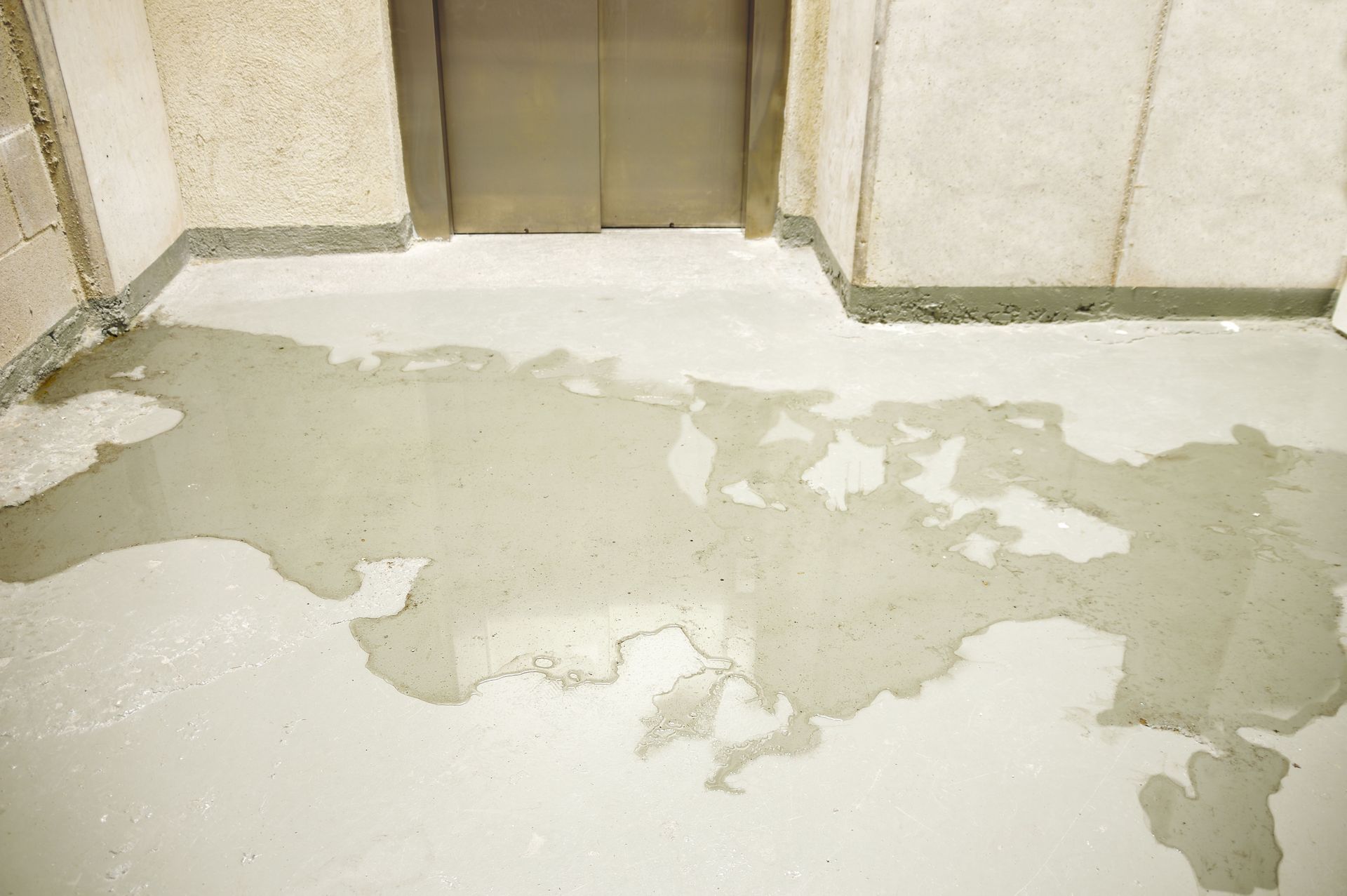
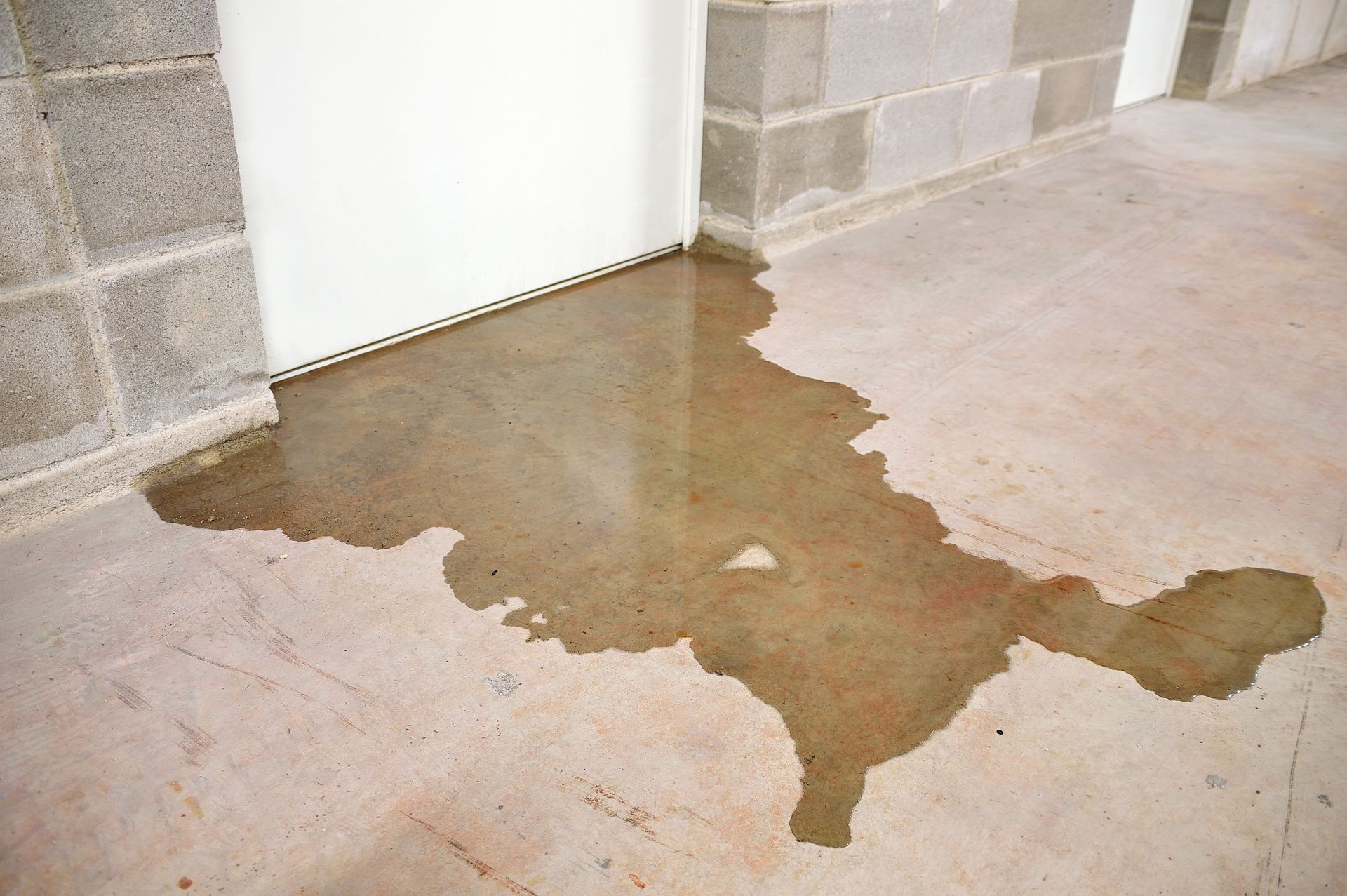
Warm areas on flooring can indicate a leaking hot-water line beneath the slab. Damp flooring, warped materials, discoloration, or persistent moisture can also warrant investigation. Cracks in floors or walls may deserve professional evaluation when they occur alongside plumbing symptoms. Moisture can also create conditions that support mold or mildew growth.
Because these symptoms can have several causes, professional diagnosis is important. Experienced technicians can determine whether slab leak services are needed instead of relying on assumptions based on a single symptom.
Understanding the Risks of Delayed Repairs
Leaks can be costly in the long run. According to the EPA, leaks account for 12% of the average household's water bill. A small hidden leak can become a larger problem when water continues escaping beneath a home. Persistent moisture may damage flooring, baseboards, drywall, cabinetry, and other materials.
Water moving beneath a slab may also affect surrounding soil conditions. The potential consequences depend on the property, soil, plumbing configuration, and duration of the leak.
Mold and mildew are additional concerns when moisture reaches indoor materials. Early detection can limit how long water continues causing damage and potentially reduce the amount of restoration needed.
Locating the Source of a Slab Leak
Finding the source accurately is an important part of the repair process. Breaking through flooring based on guesswork can create unnecessary disruption, so technicians generally begin with diagnostic testing.
An evaluation may include inspecting fixtures, checking water pressure, reviewing the plumbing layout, and looking for visible moisture. Specialized equipment can help technicians narrow down the location of hidden water movement without immediately opening large areas of flooring.
Accurate diagnosis is one of the primary advantages of professional slab leak services. Once the probable source has been identified, technicians can evaluate the affected line and determine which repair method is appropriate.
Selecting the Appropriate Repair Method
There is no single repair method suitable for every slab leak. The appropriate approach depends on the location of the damaged pipe, plumbing condition, accessibility, and whether additional weak areas are present. A direct repair may work when the leak is isolated and accessible. This approach involves reaching the damaged section and repairing or replacing it.
Pipe rerouting is another option. Instead of accessing the damaged line beneath the slab, a plumber may abandon that section and install a new route through a more accessible area.
Pipe-lining or restoration techniques may also be available in certain circumstances. Some projects can use minimally invasive methods that reduce the need for extensive demolition. A qualified plumber should explain the available options and why a particular method is recommended.
Evaluating the Severity of the Problem
The urgency of a slab leak depends on more than whether water is present. Technicians may consider how long the leak has existed, the amount of water escaping, the pipe’s condition, and whether surrounding materials have been affected.
A leak that has continued for an extended period may require more than plumbing work. Flooring, drywall, insulation, or other materials may need evaluation for moisture damage.
A professional assessment helps homeowners understand the scope of the problem before choosing a repair strategy. Effective slab leak services should account for the specific conditions discovered during the inspection rather than treating every leak the same way.
Comparing Professional and DIY Repairs
A slab leak is different from a visible drip beneath a sink. The damaged pipe may be concealed under concrete, and locating it accurately can require specialized equipment.
Attempting to reach a suspected leak without confirming its location could damage flooring or concrete without resolving the problem. DIY repairs may also address the immediate symptom while overlooking corrosion, excessive pressure, or broader pipe deterioration.
Professional plumbers have equipment and experience that allow them to evaluate hidden plumbing more precisely. When comparing slab leak services, homeowners should consider diagnosis, workmanship, repair options, follow-up testing, and warranty protection rather than focusing solely on the initial repair.
Considering the Cost of Repairs
Slab leak repair costs vary because every property and plumbing system is different. Location, accessibility, pipe material, damage, and the selected repair method can influence the overall scope.
Homeowners can request written estimates explaining the recommended work. When comparing estimates, it is useful to consider the diagnostic process, repair method, warranty, cleanup responsibilities, and follow-up testing in addition to price.
Insurance coverage varies by policy and circumstances. Homeowners experiencing substantial water damage may want to review their policies or contact their insurers to determine whether related damage may qualify for coverage.
Evaluating a Plumbing Company
Choosing a provider should involve more than selecting the first available company. Homeowners can review licensing, insurance, relevant experience, and the provider’s approach to diagnosing hidden leaks.
Customer reviews may offer insight into communication, punctuality, workmanship, and how a company handles complications. Looking for recurring patterns across several reviews can be more informative than relying on one comment.
Homeowners should also ask how leaks are located, which repair methods are available, and why a particular solution is being recommended. Warranty or guarantee terms should be provided clearly before repairs begin.
Asking Questions Before Repairs Begin
Clear communication can prevent misunderstandings. Homeowners should understand where the leak is believed to be located, what supports the diagnosis, and which repair method is recommended.
It is also useful to ask how much disruption the work may cause. If concrete or flooring must be opened, homeowners should clarify who will be responsible for restoring those surfaces.
Project timelines, water shutoff requirements, cleanup, and warranty coverage should also be discussed. A detailed estimate provides a reference for the agreed scope of work.
Preventing Future Plumbing Problems
Not every slab leak can be prevented, particularly when aging materials or soil movement are involved. However, routine maintenance may identify developing problems before substantial damage occurs.
Periodic plumbing inspections can reveal pressure irregularities, aging components, corrosion, and other vulnerabilities. Homeowners should also pay attention to unusual water bills, changes in water pressure, unexplained sounds, and moisture.
After repairs, following the technician’s maintenance recommendations can support the longevity of the work. Homeowners who have experienced one leak may also want to ask whether other pipes beneath the foundation show similar risk factors.
Protecting the Home With Professional Repairs
Choosing slab leak services requires accurate diagnosis, an appropriate repair strategy, and a qualified plumbing professional. Recognizing warning signs early can reduce water waste, limit property damage, and prevent a hidden plumbing issue from becoming more disruptive.
Homeowners should consider the condition of the entire plumbing system rather than focusing only on the immediate leak. Accurate detection, appropriate repairs, follow-up testing, and preventive maintenance can provide a more complete solution.
For homeowners concerned about a possible leak beneath their foundation, Smith Plumbing Company can evaluate the problem and recommend an appropriate course of action. Contact Smith Plumbing Company to schedule an inspection and get professional help protecting the home and its plumbing system.



Share On: