
5 Reasons Foundation Damage Gets Worse the Longer You Wait
When you own a home in the Dallas-Fort Worth area, you are familiar with the unique challenges of our regional soil conditions. From Grand Prairie and Arlington to Mansfield, shifting expansive clay soils and unpredictable weather put tremendous stress on concrete slabs. It is easy to notice a small crack in the exterior brickwork and assume it is just a minor cosmetic quirk.
Many homeowners adopt a "wait and see" approach, hoping the structural integrity of their houses will stabilize on its own. Unfortunately, gravity, hydrostatic pressure, and underlying plumbing issues do not pause. Foundation problems are strictly progressive and compound over time. Here are 5 reasons you should never delay action.
Reason 1: Minor Cosmetic Flaws Evolve Into Major Breaches
The first sign of trouble rarely looks like a home emergency. You might spot a hairline fracture along the drywall, a door that refuses to latch, or a sticking window. Because these warning signs seem small, homeowners often put off scheduling foundation repairs until a more convenient time. But these are the early signals of a home under extreme tension.
As the concrete slab continues to sink or shift irregularly, the wooden framing of your house is pulled out of alignment. Wood splinters, drywall tears, and exterior mortar joints crack. A tiny fracture can widen significantly in a matter of months, particularly following heavy rainstorms or seasonal droughts that cause the soil beneath your home to expand and contract violently.
It is absolutely crucial to recognize when a seemingly simple crack crosses into dangerous territory. According to HomeGuide, horizontal cracks longer than 12 inches or wider than 1/8 inch are red flags requiring immediate professional inspection. Once you see gaps of this magnitude, the structural integrity of your load-bearing walls is actively failing.
Reason 2: Hidden Slab Leaks Accelerate Structural Deterioration
One of the most destructive factors associated with a shifting structural base is the hidden havoc it wreaks on your home’s plumbing. In the DFW area, primary plumbing supply and sewer lines often run directly beneath or through the concrete slab. When the ground shifts and the slab settles unevenly, an incredible amount of pressure is placed on those rigid pipes. Eventually, the mounting tension causes pipes to snap or develop pinhole leaks—a serious condition known as a slab leak.
At Smith Plumbing Company, we see firsthand how underlying water leaks and structural settling create a vicious cycle. The shifting concrete breaks the pipe, which then leaks gallons of water into the soil beneath your house. This constant moisture washes away supporting dirt, creating empty voids under the slab. The heavy concrete then collapses further into the void, causing more damage.
Delaying foundation repairs in this scenario is a recipe for disaster because ongoing water intrusion rapidly accelerates the deterioration of the slab. If you suspect your settling house has caused a plumbing rupture, you need expert slab leak detection immediately to stop the erosion cycle.
Reason 3: Mold, Mildew, and Destructive Pests Infiltrate Quickly
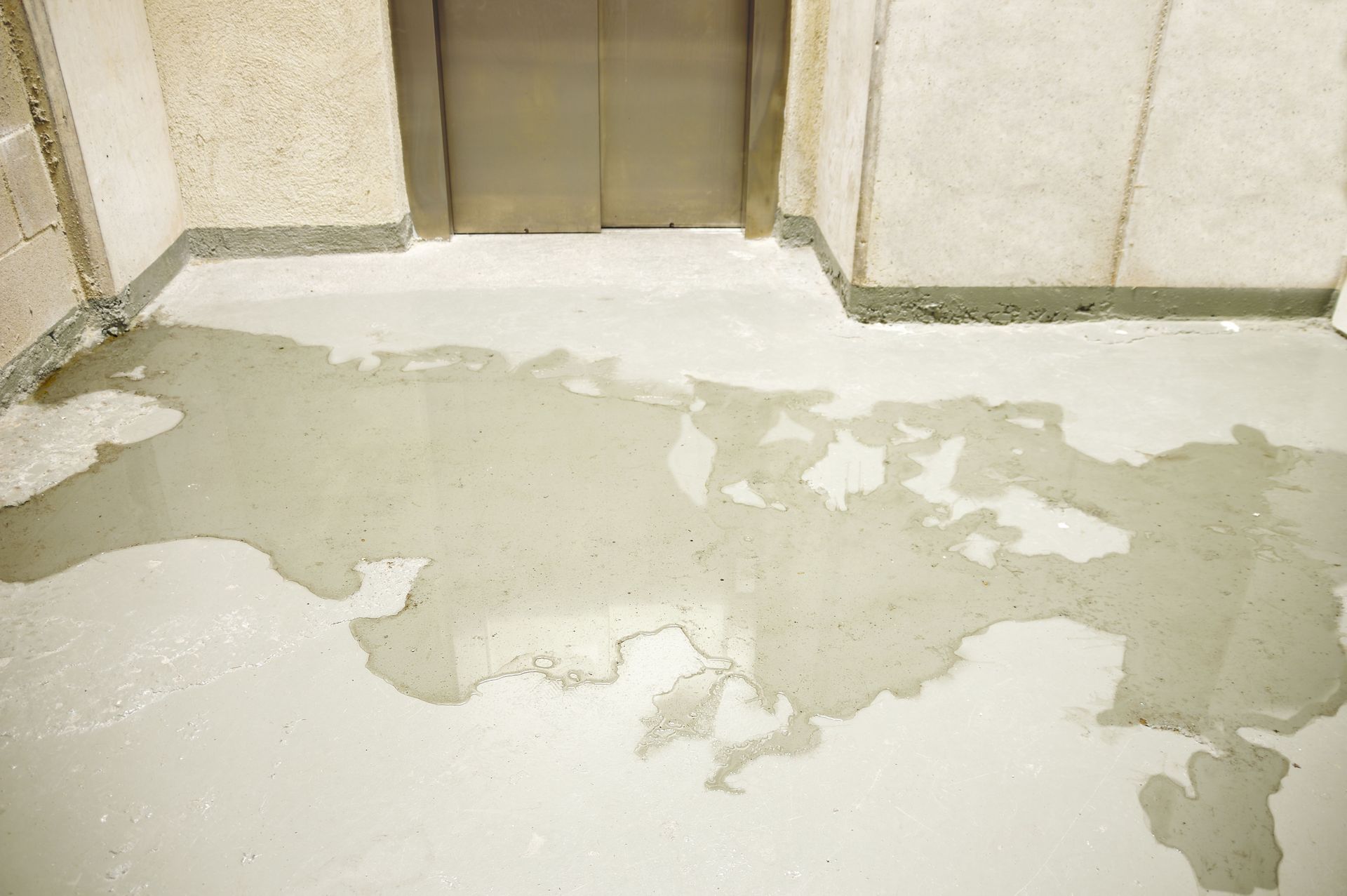
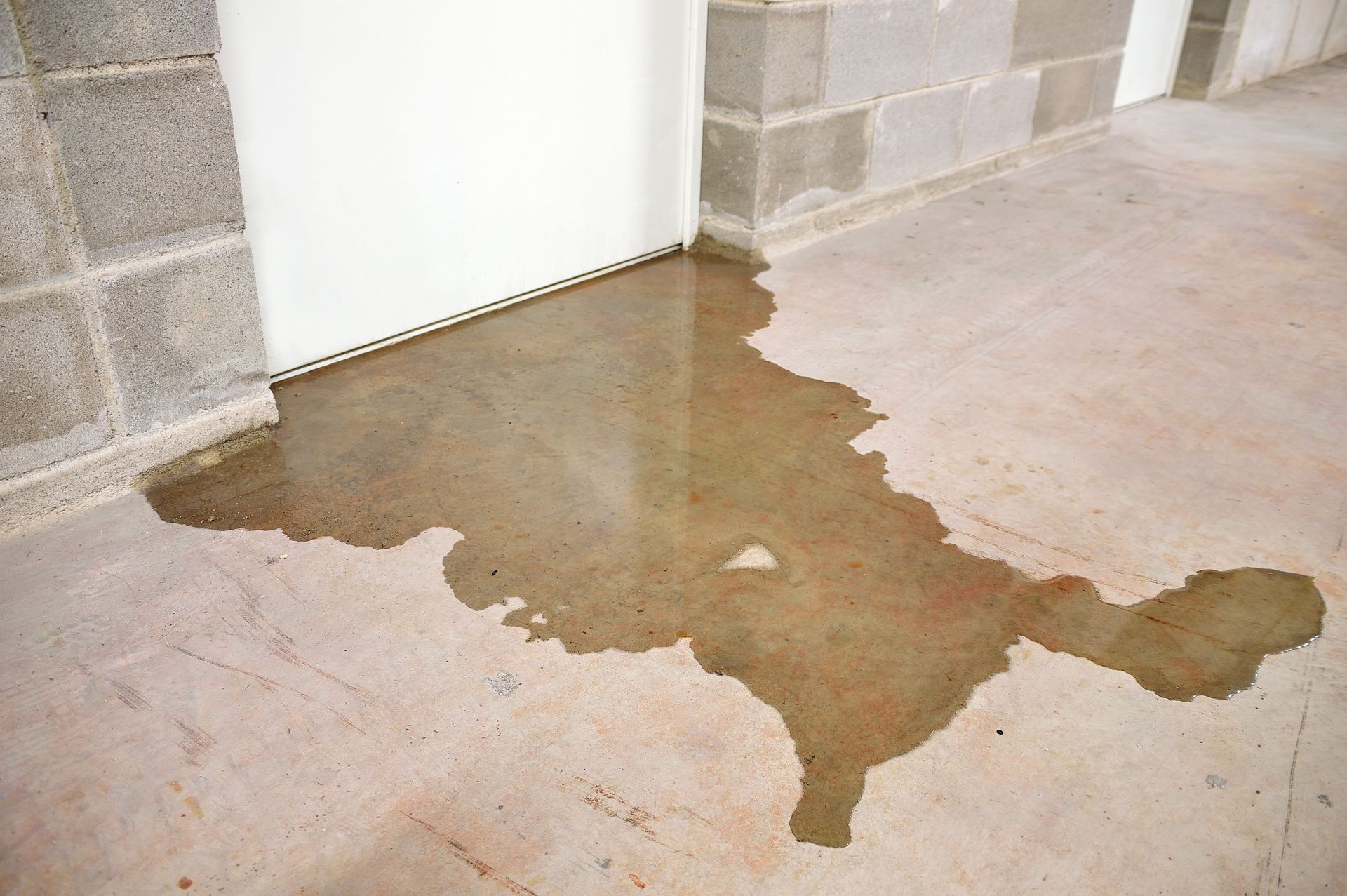
A compromised concrete base does more than just throw your interior walls out of alignment; it creates a wide-open invitation for harmful outside elements. When your base cracks, it fundamentally breaks the moisture barrier that protects the underside of your home. If a slab leak develops due to shifting, excessive moisture becomes permanently trapped beneath your flooring.
This trapped moisture creates the perfect environment for dangerous mold and mildew to thrive unseen. Once toxic mold spores take hold under your carpets or hardwood flooring, they can quickly spread upward, posing respiratory health risks to your family.
Furthermore, cracks in the concrete serve as a superhighway for destructive pests. Termites, carpenter ants, and rodents actively seek out the moisture-rich environments created by plumbing leaks. By postponing foundation repairs, you are leaving the front door open for severe infestations that will quietly eat away at the wooden bones of your house. Fixing the root cause promptly eliminates entry points and moisture sources.
Reason 4: The Financial Cost of Remediation Multiplies
There is a common, highly dangerous misconception among homeowners that waiting to fix a structural problem gives you more time to save funds. The harsh reality of home maintenance is that the overall cost of fixing a settling slab grows exponentially as the days pass. Because the foundation supports the entire weight of the structure, its failure triggers a rapid domino effect that systematically damages almost every other component of the property.
If you address the issue early, the solution might involve simple stabilization techniques, preventing the need for extensive foundation repairs. However, if you wait until the damage is severe, the scope of work drastically expands. You will no longer pay solely for structural leveling; you will also pay for plumbing line replacement due to ignored slab leaks, flooring replacement, and extensive drywall patching.
What could have been a manageable project balloons into a massive undertaking. Financial experts and contractors agree: the absolute cheapest day to schedule your foundation repairs is the day you first notice the damage. Every subsequent day adds weight to your final bill.
Reason 5: Your Home’s Real Estate Value Plummets Rapidly
For the vast majority of people, their house is their most valuable financial asset. Maintaining its structural integrity is paramount to protecting your long-term net worth. When you eventually decide to sell your property, prospective buyers and professional home inspectors will ruthlessly scrutinize every square inch. Nothing sends a motivated buyer running for the hills faster than glaring, unresolved structural defects.
If you have years of deferred maintenance, the signs will be painfully obvious: noticeably sloping floors, jagged diagonal cracks radiating around doorframes, and patched-up exterior brickwork. Even if a rare buyer is willing to take on a property with known issues, they will aggressively demand a massive discount—often asking for a reduction that far exceeds what the foundation repairs would have actually cost. Mortgage lenders and insurance companies also view damaged homes as high-risk liabilities, which can derail a sale.
Protecting your hard-earned home equity means actively staying ahead of the deterioration curve. By taking definitive action and prioritizing necessary foundation repairs as soon as you notice settling, you preserve the aesthetic appeal, safety, and market value of your property.
Living in Grand Prairie, Arlington, Mansfield, or the surrounding DFW areas means being vigilant about the shifting ground beneath your feet. Expansive clay soils and extreme Texas weather pose a constant threat, but allowing minor concrete damage to fester is a choice that leads to severe consequences. The destructive cycle of settling slabs, broken underground plumbing lines, and structural deterioration will only drain your wallet the longer you ignore it.
At Smith Plumbing Company, we have been proudly serving the DFW area since 1954, and we know how devastating the combination of shifting slabs and broken pipes can be. If you suspect that structural movement has compromised your plumbing, or if you are experiencing the classic signs of a subterranean water leak, do not wait for the problem to multiply into a complete disaster.
Our licensed, insured, and family-owned team is here to help you immediately with expert slab leak detection and pipe rerouting. Do not let hidden water leaks force you into needing catastrophic foundation repairs down the road. Contact Smith Plumbing Company today, and let our highly experienced professionals restore your plumbing system.


Share On: